Beginner’s Guide to Scuba Diving: A Complete Overview for New Divers
Why Your Next Adventure Lies Beneath the Waves
Imagine gliding weightlessly through crystal-clear water, surrounded by vibrant coral reefs and curious marine life—scuba diving offers an escape unlike any other. Millions of people worldwide discover the underwater world each year, drawn by the thrill of exploration and the serenity of life below the surface. For beginners, scuba diving isn’t just an adrenaline rush; it’s an accessible gateway to marine conservation, adventure travel, and personal growth—all while building confidence in a new environment.
This guide is designed to walk you through everything you need to know as a first-time diver. You’ll also discover how to choose the right certification course, what to expect during training dives, and how to prepare for your first open water experience—whether you’re exploring coastal reefs, tropical destinations, or local dive sites.
Prepare to take your first breath underwater and unlock a lifetime of underwater discovery.
How to Choose the Right Scuba Diving Certification Course
Choosing the right scuba diving certification is the first step toward becoming a confident and capable diver. With multiple agencies and course levels available, it’s essential to approach your selection with clarity and purpose.
- Research Certification Agencies
PADI, a globally recognized organization, offers structured, standardized training. You want a program that emphasizes safety, skill mastery, and environmental awareness. - Evaluate Course Structure and Flexibility
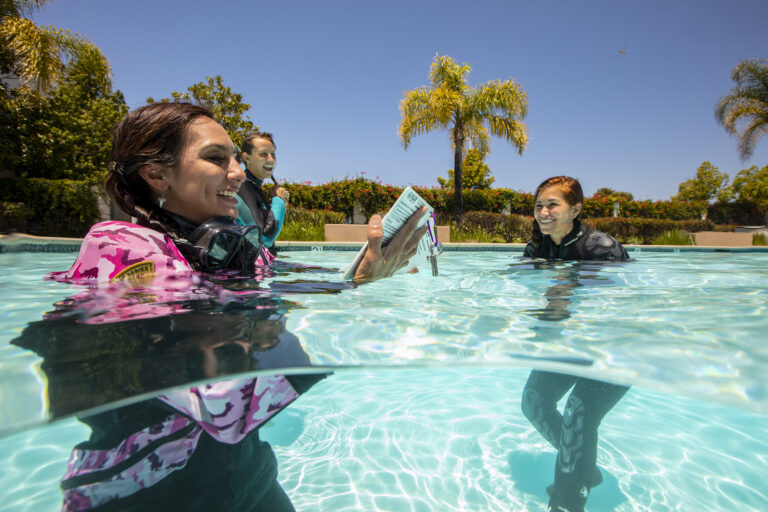
PADI Open Water scuba courses blend online theory with confined water practice and open water dives. Look for a program that fits your schedule and learning style—self-paced e-learning followed by hands-on training at nearby dive centers. - Check Trainer Credentials and Reviews
A skilled, patient instructor makes a significant difference. Look for certified professionals with positive feedback and a track record of student success. Check out our staff page to view our credentials. - Prioritize Safety and Small Class Sizes
Ensure the program limits student-to-instructor ratios to maximize personalized feedback and water time. Safety protocols, proper equipment, and thorough briefings should be standard. We limit our class sizes to give our students quality instruction that builds confident divers.
By aligning your course choice with your learning needs, you’ll build a strong foundation for a lifetime of underwater adventure.
Your Top Questions About Starting Scuba Diving – Answered
Starting scuba diving is exciting, but it’s normal to have questions before taking the plunge. Here are the most common concerns beginners have—and everything you need to know to start with confidence.
Is scuba diving safe for beginners?
Yes—scuba diving is exceptionally safe when proper training and protocols are followed. Certification courses emphasize safety first, teaching you how to use equipment, manage buoyancy, and respond to underwater conditions. With guidance from our certified instructors and adherence to dive plans, risks are minimal.
Do I need to be an expert swimmer?
You don’t need Olympic-level skills, but comfort in the water is essential. Quality entry-level courses require basic swimming ability—like swimming 200 yards unaided and treading water for 10 minutes. If you can do this, you’re ready to start.
How long does it take to get certified?
Most beginners earn their Open Water Diver certification in 3–7 days. Courses blend self-paced e-learning, confined water dives (in a pool), and open water dives.
Will I need my own gear?
Not at first. Rental equipment is included in our Open Water certification courses. You can later invest in personal items like masks, fins, or dive computers as you progress.
Can I dive if I have minor health conditions?
Some conditions may require a medical clearance from a physician. Always complete a scuba medical questionnaire before enrolling.
Where can I go diving after I’m certified?
Certification opens doors to dive sites worldwide—from coastal reefs to inland quarries. Many popular local and tropical destinations offer guided dives for certified beginners.
How deep will I go as a beginner?
Entry-level divers typically stay within 60 feet (18 meters), where visibility is high and nitrogen absorption is low. As you advance, you can explore deeper, more advanced environments.
Ready to Begin Your Underwater Adventure?
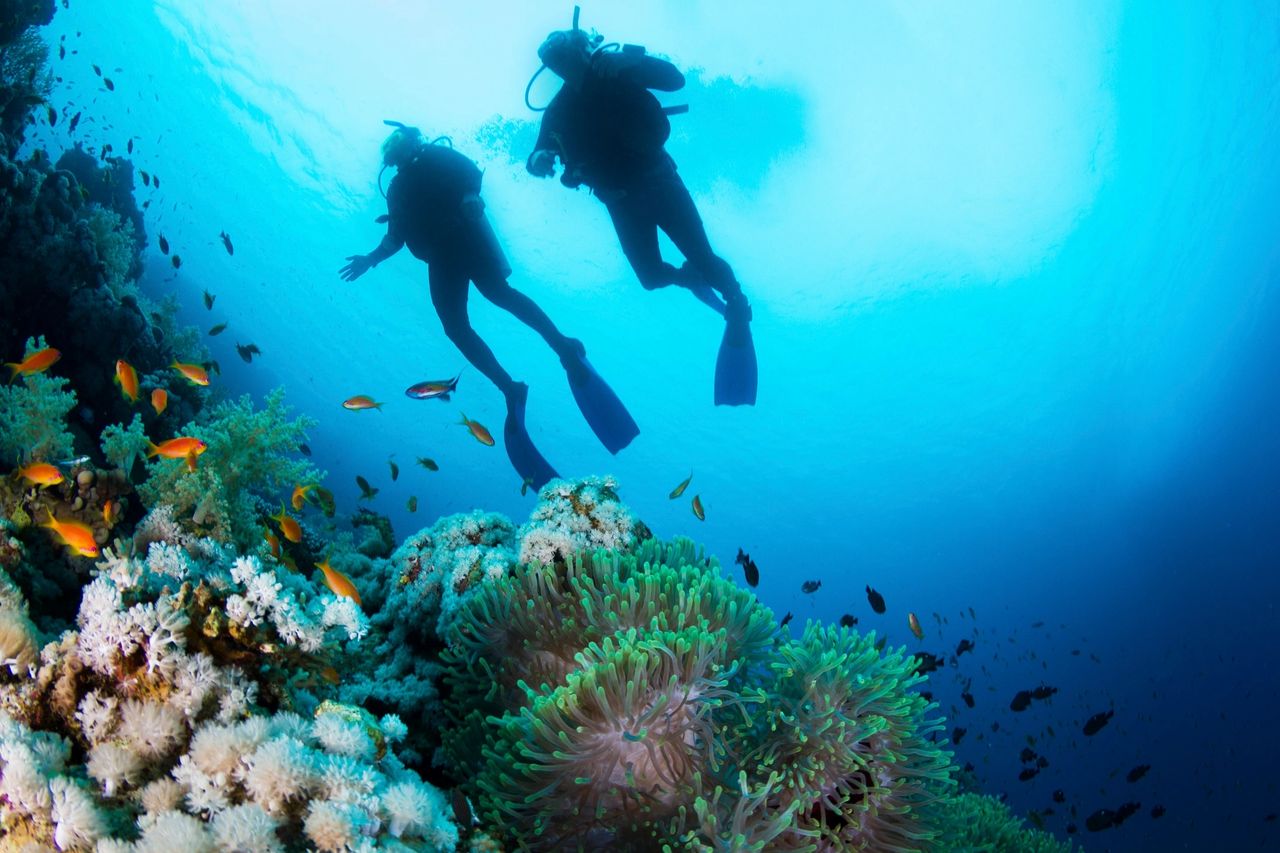
Embarking on your scuba diving journey opens the door to a vibrant, silent world filled with wonder—from coral gardens teeming with life to mysterious shipwrecks hidden beneath the waves. Throughout this guide, we’ve covered essential topics, including basic diving physics, must-have gear, safety protocols like pressure equalization and air management, and how to select a reputable certification course. Now, the ocean is calling.
Your next steps are clear:
- Enroll in a PADI or equivalent introductory course at a certified dive center near you.
- Practice in controlled environments like pools or shallow coastal areas in warm, clear waters—ideal for beginners in locations like Spring Lake, the Florida Keys, or tropical destinations.
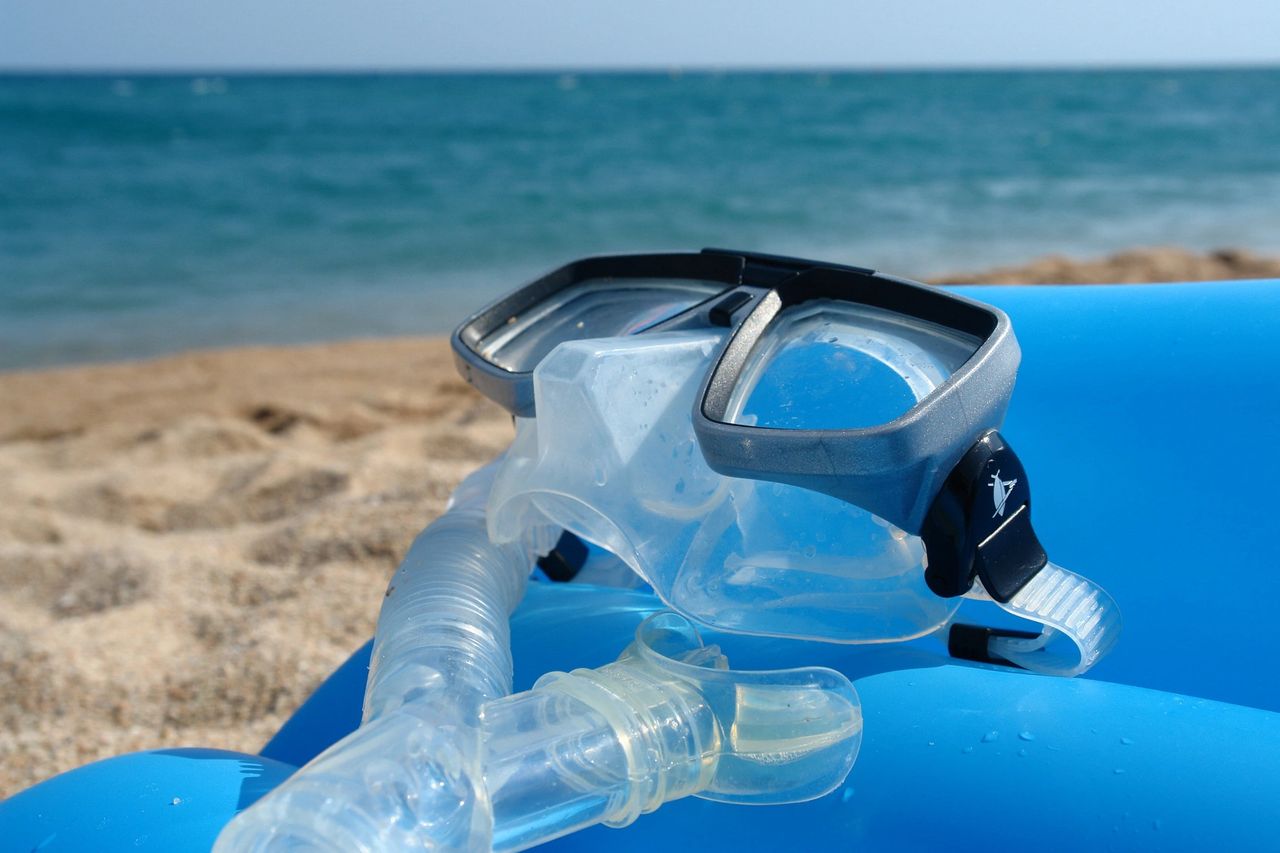
- Invest in a reliable mask, snorkel, and fins to build familiarity and comfort before renting advanced equipment.
- Dive with a buddy and always review safety procedures before entering the water.
Scuba diving isn’t just about exploration—it’s about confidence, respect for marine ecosystems, and lifelong learning. Every dive builds experience. By prioritizing safety, proper training, and environmental awareness, you’ll enjoy the underwater realm responsibly.
Take the plunge—your underwater journey starts today. Your next adventure begins with a single breath beneath the surface.

I didn’t realize how much thought goes into choosing the right scuba certification. Your tips on evaluating course structure and safety really help beginners feel more confident before their first dive. It’s great to see a focus on preparation and realistic expectations for new divers.
Thank you. We love diving and sharing our adventures with others. We hope others will enjoy our updates, too.