Why Choosing a Safety-Conscious Scuba Instructor Matters More Than You Think
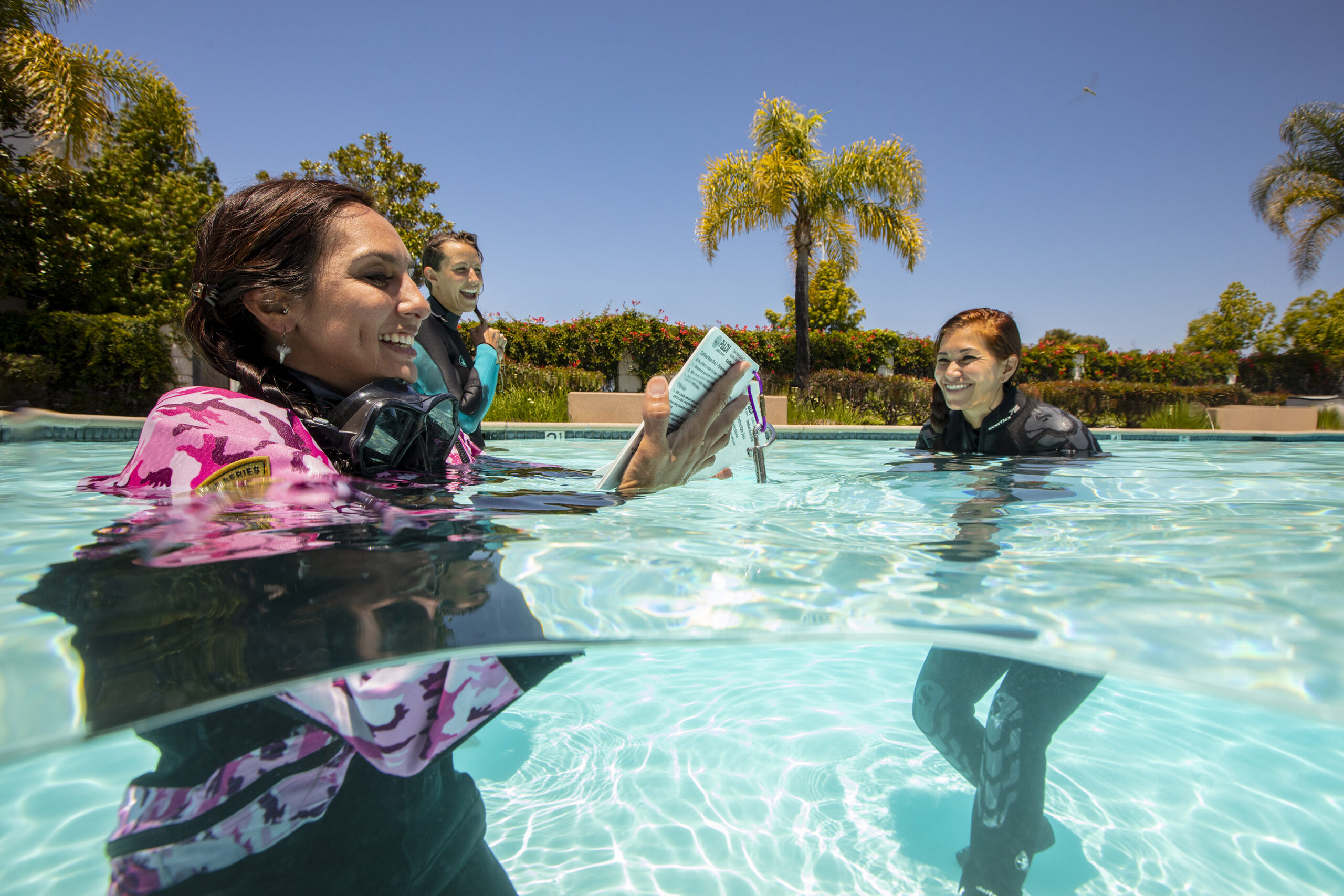
When you start your scuba journey, you’re not just signing up for a class—you’re trusting someone to prepare you for a completely new environment where knowledge, mastery of skills, safety, and confidence matter.
At Project Scuba, our mission has always been simple: deliver world-class, safety-first training that transforms beginners into confident, capable divers. That’s why we believe one of the most important decisions any student can make is choosing a safety-conscious instructor who follows recognized standards and teaches through a reputable certification agency,
Let’s break down why that matters.
Scuba Training Isn’t Just a Class—It’s a Safety System
Scuba diving is incredibly rewarding, but it’s also an activity that relies on proper training and adherence to proven safety practices.
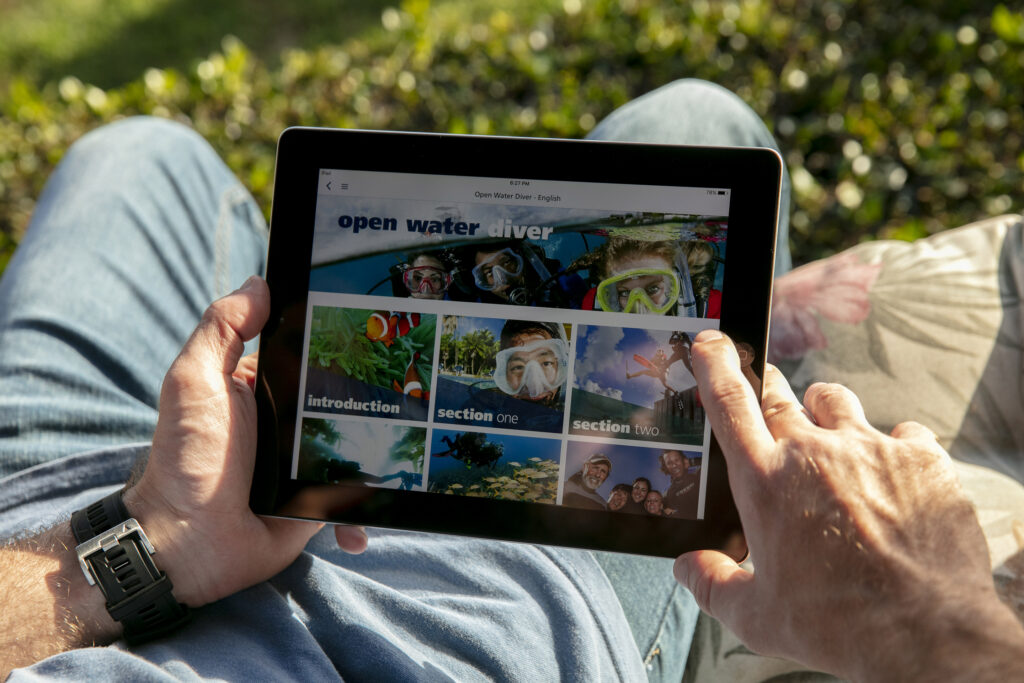
Organizations like the World Recreational Scuba Training Council (WRSTC) exist for one reason:
to develop minimum global training standards that protect divers everywhere.
These standards outline what every diver must know and demonstrate—from basic skills like buoyancy and breathing to more advanced safety procedures.
Why this matters to you:
- You get consistent, proven training
- Your certification is recognized worldwide
- You learn skills designed to prevent problems before they happen
At Project Scuba, we don’t cut corners—we teach to standards because your safety depends on it.
Not All Scuba Training Is Equal
Here’s something many new divers don’t realize:
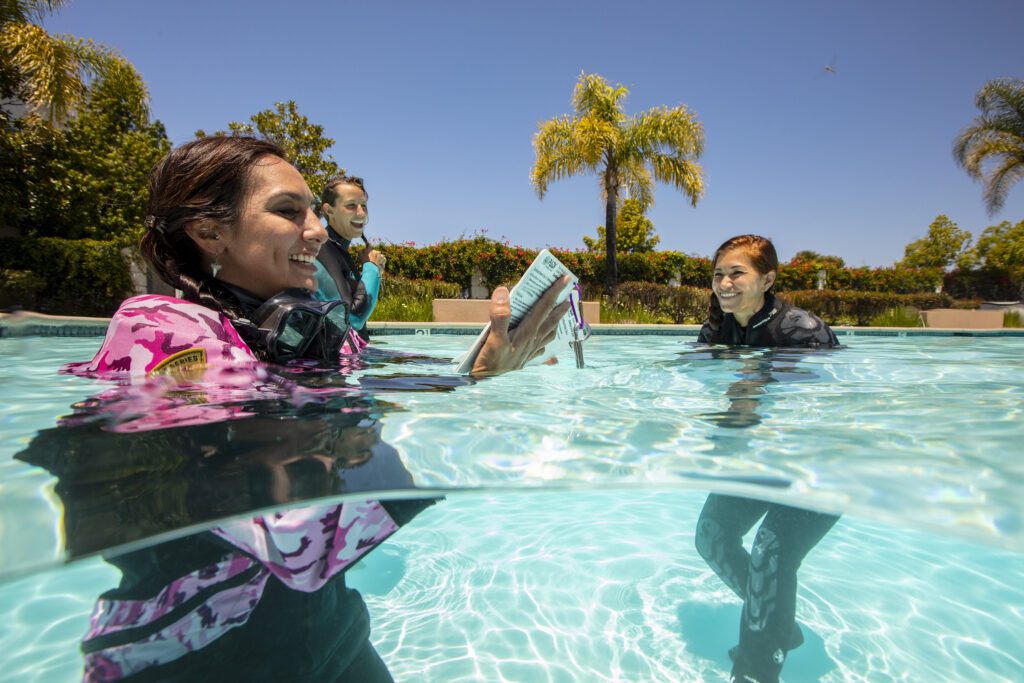
The difference between a good diver and a confident, safe diver often comes down to the quality of their instructor—not just the agency logo.
WRSTC affiliated agencies follow similar baseline standards aligned with WRSTC guidelines. But how those standards are delivered? That’s where instructors make all the difference.
A true safety-focused instructor:
- Moves at your pace, not a rigid schedule
- Reinforces skills until they become second nature
- Watches for stress, anxiety, or confusion
- Will never certify you until you’re ready
Because this isn’t about earning a card—it’s about earning confidence in the water.
Why Standards-Based Instruction Saves Lives
Scuba diving is widely considered safe—but only when divers follow their training.
Most incidents in diving happen not because of equipment failure, but from:
- Rushing training
- Skipping fundamentals
- Ignoring basic safety rules
That’s why proper instruction focuses on building habits like:
- Breathing continuously and staying calm
- Diving with a buddy and communicating clearly
- Planning dives and staying within limits
- Managing buoyancy and air supply
These aren’t just “course requirements”—they are lifesaving behaviors.
The Risk of Choosing the Wrong Instructor
We understand the temptation:
- Lower prices
- Faster certifications
- Bigger group classes
But here’s the reality:
Cut-rate training often leads to:
- Poor skill development
- Anxiety underwater
- Lack of confidence on real dives
- Higher risk in unfamiliar conditions
Your scuba certification should be a foundation—not a weak starting point.
At Project Scuba, we’ve seen students come to us after rushed courses elsewhere. Our job then becomes building mastery of skills and confidence the right way.
What to Look for in a Scuba Instructor
Before you enroll in any course, ask these questions:
✅ Are they affiliated with a recognized certification agency?
This ensures they follow globally accepted standards aligned with WRSTC.
✅ Do they prioritize safety over speed?
If an instructor promises “quick certifications,” that’s a red flag.
✅ Do they tailor training to the student?
Every diver learns differently—your instructor should adapt to you.
✅ Do they have a reputation for professionalism?
Clean equipment, organized classes, and clear communication matter.
✅ Do students leave confident—not just certified?
That’s the real measure of quality training.
Our Commitment at Project Scuba
At Project Scuba, safety isn’t a marketing phrase—it’s our foundation.
We are committed to:
- Standards-based instruction aligned with global best practices
- Small-group, high-quality training environments
- Building divers who are calm, confident, and capable
- Serving the Killeen and Fort Hood community with integrity and professionalism
We don’t just train divers—we build lifelong members of the dive community.
Final Thoughts: Don’t Just Learn to Dive—Learn to Dive Right
The underwater world is one of the most incredible places on earth—but it requires preparation and respect.
Choosing a safety-conscious instructor who follows recognized standards isn’t just smart—it’s essential.
Because when you’re underwater, competency isn’t optional.
It’s everything.